YRITFC Responds to NPFMC Final Action on Chum Salmon Bycatch

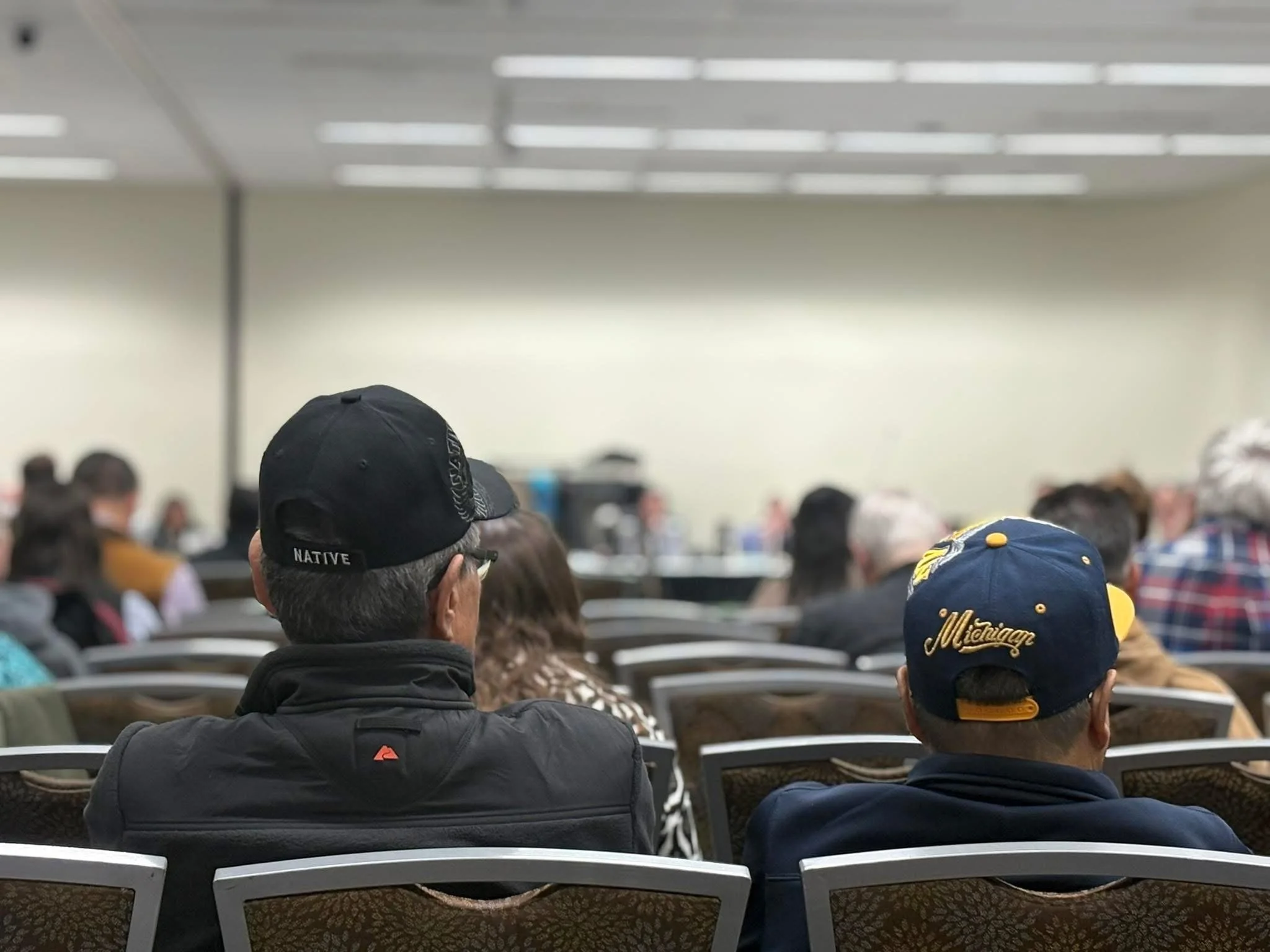
The Yukon River Inter-Tribal Fish Commission acknowledges the progression and meaningful engagement that occurred during the February 2026 North Pacific Fishery Management Council (NPFMC) meeting. We recognize the dedication of Tribal staff, leaders, and allied organizations who have invested more than five years pushing for stronger protections for Western Alaska salmon. Despite these efforts and strong, unified Tribal advocacy, YRITFC expresses disappointment that the Council’s Final Action still falls short of providing meaningful protection for Western Alaska chum salmon or relief for Yukon River communities.

𓆝 𓆟 𓆞𓆝 𓆟 𓆞𓆝 𓆟 𓆞

FOR IMMEDIATE RELEASE

February 23, 2026 | Fairbanks, Alaska

The Yukon River Inter-Tribal Fish Commission acknowledges the progression and meaningful engagement that occurred during the February 2026 North Pacific Fishery Management Council (NPFMC) meeting. We recognize the dedication of Tribal staff, leaders, and allied organizations who have invested more than five years pushing for stronger protections for Western Alaska salmon. Despite these efforts and strong, unified Tribal advocacy, YRITFC expresses disappointment that the Council’s Final Action still falls short of providing meaningful protection for Western Alaska chum salmon or relief for Yukon River communities. 

The Council adopted several new measures—including a 45,000-fish Western Alaska chum limit, a required corridor closure, and strengthened Incentive Plan Agreement (IPA) requirements intended to guide pollock fleet avoidance behavior. While these steps represent incremental progress, they still allow significant bycatch before protections are triggered and do not address the continuing subsistence closures devastating Tribal communities along the Yukon River. For families now facing yet another year of zero harvest, the consequences remain profound: ongoing food insecurity, cultural loss, and the erosion of intergenerational knowledge systems tied to salmon.

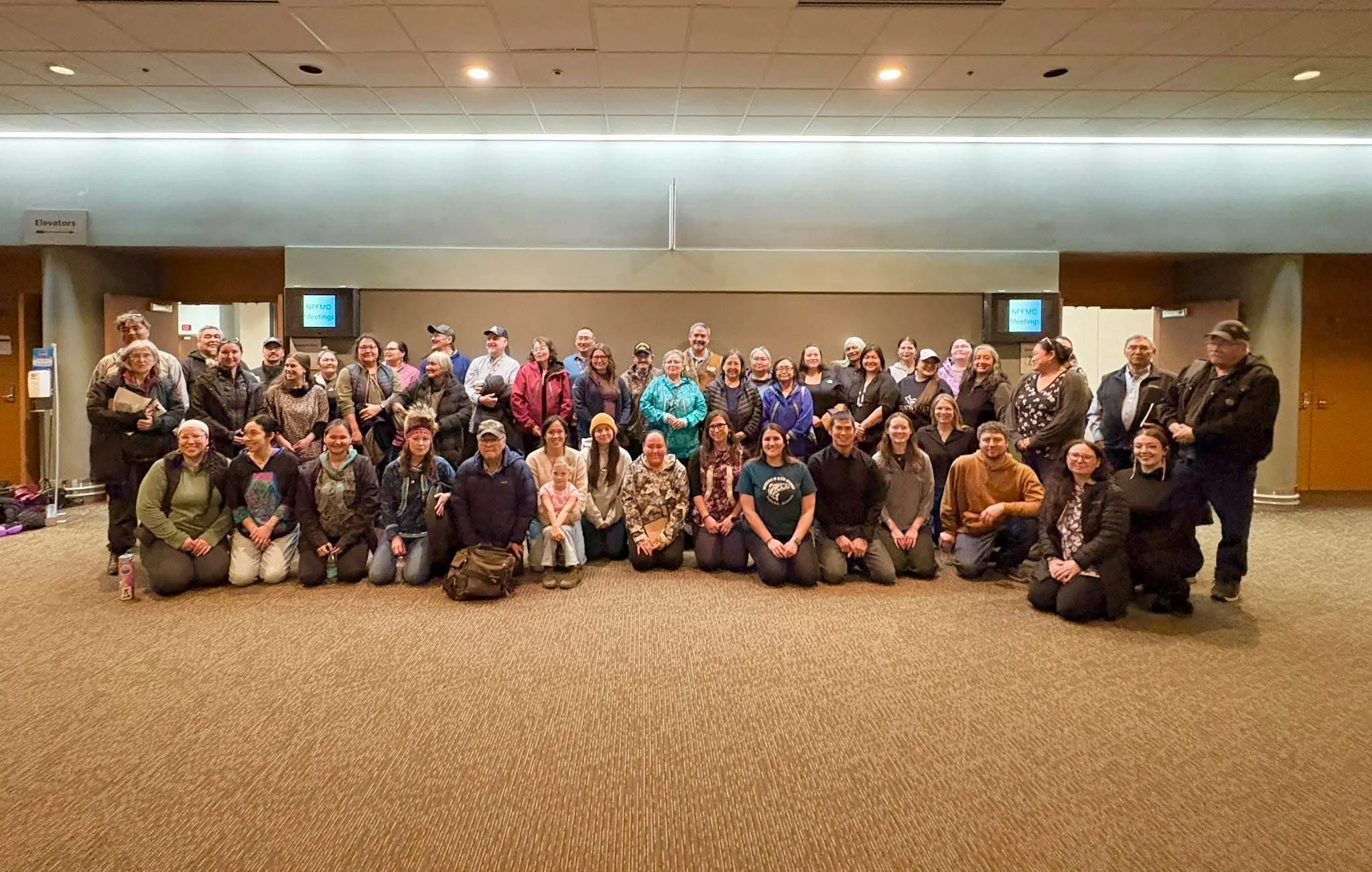
More than 150 Tribal Nations urged the Council to adopt stronger conservation measures that reflect Indigenous subsistence needs, food security, and U.S.–Canada treaty responsibilities. YRITFC and its 44 Tribal Governments supported a clear Tribal position. Instead, the adopted approach activates protections only after the cap is exceeded, leaving Yukon-bound salmon vulnerable during the highest-risk weeks of migration. Even so, throughout the meeting it was repeatedly acknowledged that Tribal voices were impactful, knowledgeable, and essential—and that our unified presence continues to influence federal decision-making. We extend our deep gratitude to all Tribal staff, advocates, and allied organizations whose persistence made forward progress possible.

Industry statements following the meeting have suggested that the new chum cap “fundamentally changes how the fleet operates” and establishes strict vessel-level accountability. From the perspective of Yukon River Tribes, these measures represent progress, but until results demonstrate meaningful reductions in bycatch, they do not yet meet the level of protection required. Under the current decision, protections still activate only after large numbers of chum have already been taken, making the system reactive rather than preventative. IPA rules continue to allow internal adjustments that may dilute true vessel-level accountability, and corridor closures occur only after the cap is exceeded, leaving many high-risk migration weeks without proactive safeguards. Although real-time genetics and Traditional Knowledge were incorporated into the process, the final action remains the least protective of the options considered. Historical patterns also show that the fleet would have exceeded allocations in many of the past years, suggesting the cap is set above what conservation and subsistence needs require.

YRITFC believes it is important to communicate these realities clearly—not to divide stakeholders, but to ensure that management decisions align with the conservation needs, subsistence rights, and lived experiences of Yukon River communities. At the same time, this Final Action creates new opportunities for constructive engagement, and YRITFC is building the infrastructure necessary to participate fully, transparently, and collaboratively in the implementation process. This includes working closely with federal partners and industry to ensure the IPA system functions as intended by tracking how bycatch is allocated and managed at the vessel level, helping ensure that performance standards and outlier rules are consistently applied, and participating in IPA development, review sessions, and annual reporting in ways that reflect Indigenous conservation priorities and the subsistence needs of Yukon River families.

YRITFC will also strengthen communication and coordination with industry, NOAA, Council staff, CDQ groups, and other partners by attending implementation meetings, workshops, and inter-industry sessions; sharing Traditional Knowledge in ways that support long-term relationship-building; and fostering open dialogue and a shared understanding of Western Alaska salmon conditions. At the same time, YRITFC is expanding its internal capacity to provide timely, clear information to Tribal Governments, evaluate fleet performance and regulatory compliance, and ensure transparency for the Yukon River communities whose subsistence food systems are directly affected by these decisions.

Building relationships does not diminish the need for stronger action. YRITFC will continue advocating for a proactive cap tied to abundance, preseason closures in high- risk corridors, and measures aligned with ANS requirements, treaty obligations, and stock-of-concern designations. We believe collaboration is strongest when paired with clear expectations, shared responsibility, and meaningful accountability.

“Our Yukon River communities are doing everything they can to protect salmon—we have endured year after year of zero harvest, sacrificed food security, and upheld our cultural responsibilities. Meanwhile, the federal system continues to allow tens of thousands of our salmon to be taken as bycatch. This Final Action does not reflect the urgency of our crisis or the voices of the more than 150 Tribal Nations who spoke with one unified message: protect Yukon salmon. Our people deserve better, and our salmon deserve better,” said Charlie Wright, Chair of YRITFC.

𓆝 𓆟 𓆞𓆝 𓆟 𓆞𓆝 𓆟 𓆞

For media, contact: Craig Chythlook, Executive Director | craigchythlook@yritfc.org | Download PDF here